Australia’s Energy Transition: Have We Reached The Turning Point for Collective Focus?
Australia’s Energy Transition: Have We Reached The Turning Point for Collective Focus?
Every now and again it feels appropriate to mark a point in time for posterity. To drop a small flag marking a ‘could-be turning point’ for the energy transition.
Within the last seven days we’ve seen the publication of the AEMC’s Pricing Review, AEMO’s final 2026 Integrated System Plan (ISP), and the beginning of consultation on the AEMC’s Electricity Network Regulation Review.
The turning point is about sharpening our collective focus on getting the transition right for customers.
In practice, this means coordinating investment across the energy system, setting pricing arrangements that are clear and simple for customers while getting the signals right for the energy sector to ‘build the right stuff’, and ensuring a fit for purpose and future focused regulatory framework that ensures networks ‘build stuff right’ (i.e. at lowest cost).
One of the most encouraging messages from AEMO’s final 2026 ISP is that Australia’s energy transition is becoming more efficient, more targeted and more focused on making the best use of the infrastructure we already have.
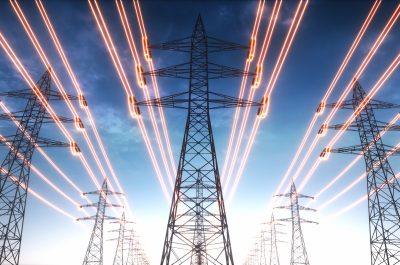
The plan confirms that almost half of the transmission infrastructure required under the ISP is already underway, while also recognising that existing distribution networks can play a much bigger role in connecting and moving energy across the system.
Together, these findings point to an important shift in the national conversation.
The energy transition is no longer simply about building more infrastructure. It is about making smarter use of existing assets, coordinating investment across the entire energy system and delivering outcomes at the lowest cost for consumers.
The final ISP identifies around 6,000 kilometres of new transmission infrastructure, significantly lower than the 10,000 kilometres projected in the 2022 plan. Approximately half of that investment is already underway or committed.
That is an important sign of progress.
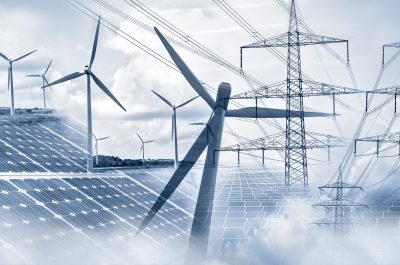
For several years, discussion about transmission has often focused on the scale of the challenge. The latest ISP demonstrates that the pathway is becoming clearer and task is becoming ‘doable’. The projects currently being delivered will play a critical role in connecting renewable energy zones, linking generation and storage with major population centres and supporting reliability across the National Electricity Market.
Just as importantly, the ISP reinforces that transmission remains central to the lowest-cost pathway for Australia’s energy future. AEMO’s analysis shows that around $6 billion of transmission investment can deliver almost $30 billion in savings through avoided generation, fuel and operating costs compared with a pathway without those investments.
But transmission is only part of the story.
The final ISP also reflects a growing recognition of the role distribution networks can play in delivering a more affordable transition.
Across Australia, electricity distribution businesses are already enabling millions of customer energy resources – from rooftop solar and batteries to electric vehicles and smart appliances – to participate in the energy system.
These networks reach virtually every home and business in the country. Increasingly, they are doing more than simply delivering power. They are actively helping manage demand, integrate renewable energy and unlock flexibility that can reduce pressure elsewhere in the system.
This presents a significant opportunity.
Making smarter use of existing distribution assets can help defer or reduce the need for more expensive infrastructure while maintaining reliability and supporting growing electricity demand. Rather than viewing the transition solely through the lens of large-scale projects, we should be asking how every part of the system can contribute to a lower-cost outcome for consumers.
The ISP highlights exactly this whole-of-system approach.
The future grid will not be built by transmission or distribution alone. Success will depend on how effectively generation, storage, transmission, distribution networks and customer-owned technologies work together as an integrated system.
That is why coordination remains the defining challenge.
The ISP’s modelling makes clear that delays to either transmission or generation development increase costs and place additional pressure on reliability. Every delay creates consequences for consumers, investors and communities waiting to see the benefits of the transition.
Australia now has a clearer roadmap than ever before. We know the infrastructure that is required. We know that substantial progress has already been made. We know that existing distribution networks can contribute more to the solution. And we know that strategic investment in transmission delivers significant long-term value.
The task ahead is to bring these pieces together.
The ISP sets the plan but delivering it depends on getting the settings right. That means having the tools, incentives and regulatory frameworks to turn ambition into action, with the outcomes of the Pricing Review and Regulation Review now critical.
This is a turning point. The plan and direction is becoming settled – the focus must now shift to delivery.
If governments, regulators and industry align on the right settings, we can unlock a more coordinated system that makes better use of existing networks, avoids unnecessary costs and delivers for customers.
The 2026 ISP makes clear the transition is already underway. The opportunity now is to evolve our pricing and regulatory frameworks to deliver the system all Australians expect: reliable, affordable and low-emissions, at scale.